

School branding strategies parents remember
The school branding strategies that work in India are local, parent-led and built on what families see every day, not on hoardings. This guide covers ten practical strategies for CBSE, ICSE, state board and international schools.
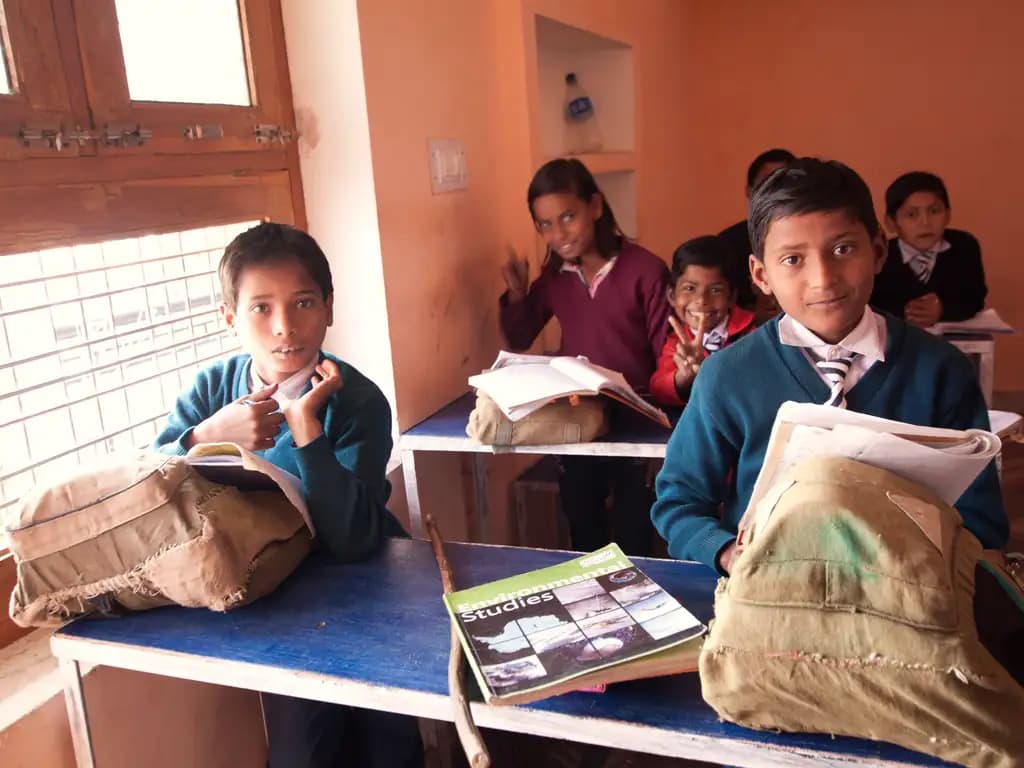
Good school branding strategies start from a simple fact: most parents choose a school within a few kilometres of home, after talking to other parents. Your brand is what those parents say at the bus stop, in the society WhatsApp group and at the tuition centre. Logos, brochures and Instagram feeds matter, but only when they reflect what families already experience.
This guide applies the ideas in our complete guide to brand strategy for educational institutes to the K-12 context. It is written for school owners, principals and admission coordinators who want a brand that fills seats each year without relying on discounts.
Why school branding is different from college branding
Three things set schools apart. The decision-maker is the parent, often both parents and sometimes grandparents. The catchment is small, so reputation spreads fast in both directions. And the relationship is long: a family that joins in nursery may stay for 14 years, with younger siblings following. A school brand therefore has to earn trust repeatedly, every term, from the same people.
Colleges, by contrast, market to students across states through a shorter, more digital journey shaped by entrance exams. If you run both under one group, our guide to college branding campaigns covers the higher education side.
Ten school branding strategies for Indian schools
1. Pick one thing to be known for
Every school in your area claims holistic development, smart classes and qualified teachers. Choose one area where you are measurably strong and build around it: early years pedagogy, a sports programme with professional coaches, strong board results in science, a language or arts focus, or exceptional pastoral care. Write it as a one-sentence promise and test it with ten current parents. If they cannot repeat it back in their own words, it is not yet clear enough.
2. Make the parent experience the brand
Parents judge a school by the moments they see: the gate at drop-off, the front office, the way a teacher responds to a WhatsApp query, the clarity of fee reminders, the transport running on time. Map these touchpoints and set standards for each. A polite, informed front office does more for a school brand than a new logo.
| Touchpoint | What parents notice | Brand standard to set |
|---|---|---|
| Admission enquiry | Speed and warmth of the first reply | Reply within working hours the same day, with a named coordinator |
| Campus visit | Cleanliness, safety, how children behave | Guided tour script, classroom visit, time with the principal |
| Daily drop-off and pick-up | Order, security, staff presence | Visible staff, clear lanes, ID checks |
| Communication | Tone and accuracy of circulars and app messages | One template, one sender, proofread, sent on time |
| Parent-teacher meetings | Whether teachers know their child | Prepared notes per child, specific next steps |
| Fee and transport issues | How complaints are handled | Written escalation path with response times |
3. Give the principal a visible voice
In Indian schools the principal is often the brand. Parents want to know who is responsible for their child. Short, regular messages from the principal on the website, YouTube and in newsletters, on topics parents care about such as board exam preparation, screen time, safety and NEP 2020 changes, build trust that no advertisement can.
4. Show learning, not only events
Annual day and sports day photos look the same across schools. What differs is learning in the classroom: a Class 4 science project, a debate, a maths lab, a student-made film. Ask teachers to capture two or three learning moments a week. The content marketing guide for schools has formats that make this routine.
5. Build a consistent visual identity
Use the same logo version, colours, fonts and photo style across uniforms, signage, buses, the website, social media and admission forms. Many schools have three or four versions of their logo in circulation. Create a one-page brand sheet and give it to every vendor, from the printer to the uniform supplier.
6. Turn parents into ambassadors, carefully
Word of mouth is the strongest school marketing channel, and it can be encouraged. Invite satisfied parents to speak at orientation, host parent-led tours, and ask happy families for honest Google reviews after positive moments. Keep it voluntary and unscripted. Referral fee waivers are common in India but can feel transactional; recognition and involvement often work better.
7. Own your local search presence
When parents search "CBSE school near me", your Google Business Profile is often the first impression. Keep photos current, add admission dates, answer questions and reply to reviews. Our guide to local SEO for schools explains the setup, and how to get more Google reviews for your institute covers building a steady review flow.
8. Use events as brand moments, not just admission drives
Open days, science fairs, inter-school sports meets and summer camps put your brand in front of neighbourhood families. Design each around your one promise. A school known for sport should host a community sports event; one known for early years should run a parenting workshop for families with toddlers.
9. Publish outcomes honestly
Share board results by subject and the share of students above a threshold, not only the topper. Mention university admissions, scholarships and olympiad results with consent. Consistent, honest reporting builds long-term credibility and protects you when parents compare notes.
10. Protect the brand online
Monitor Google reviews, Facebook groups and local parenting communities. Respond to criticism calmly and fix the underlying issue. The guide to online reputation management covers response templates and crisis handling.
School branding by type
| School type | Brand priority | Typical proof |
|---|---|---|
| Budget and affordable private schools | Value, safety, English-medium learning | Teacher stability, board results, parent testimonials |
| Mid-premium CBSE/ICSE | Academic results with co-curricular depth | Subject-wise results, activity programmes, facilities |
| International (IB, Cambridge) | Global pathways and pedagogy | University placements, teacher credentials, inquiry-based learning |
| Boarding schools | Character, safety and pastoral care | Alumni stories, house system, wellbeing staff |
| Pre-schools | Warmth, hygiene and early learning | Teacher-child ratio, CCTV, curriculum approach |
A school branding checklist
- One-sentence brand promise agreed by management and tested with parents.
- Logo, colours and photo style documented and shared with vendors.
- Front office and admission coordinator trained on enquiry handling.
- Google Business Profile complete, verified and updated monthly.
- Content calendar covering learning moments, principal messages and outcomes.
- Written consent for every student photo and video, in line with the DPDP Act 2023.
- Review and complaint monitoring with a named owner.
Common school branding mistakes
- Copying the bigger school nearby. Parents notice and it positions you as the cheaper version.
- Overpromising facilities. Brochure photos of labs that are rarely used create disappointment after admission.
- Changing the message every year. Brands build through repetition; a new tagline each session resets recall.
- Ignoring existing parents. Retention and sibling admissions depend on them, and they are your loudest advocates or critics.
Where specialist help adds value
Many schools run branding with a small in-house team. Support is most useful for research with parents, positioning workshops, identity systems and photo and video production. MSM CampusOS India has worked with 50+ schools, including a collaboration with VIBGYOR Group of Schools. Our brand strategy service connects school branding to admission targets, and the school promotion ideas guide is a good companion for the campaign side.
Frequently asked questions
What are the most effective school branding strategies in India?
How can a new school build a brand quickly?
Does a school need a logo redesign to rebrand?
How do you measure the success of school branding?
Want more student admissions this year?
Get your free audit: website, SEO and AI visibility, ads, social and funnel, benchmarked against your peers.